

Mercedes may not be shouting from the rooftops, but inside the Formula 1 paddock, its name is being whispered with equal parts admiration and frustration. As the sport edges closer to the 2026 regulation reset, a seemingly dry technical detail has sparked a fresh political storm — and Mercedes is right at the heart of it.
This time, it’s not porpoising, ride height, or floor flexibility.
It’s engine compression — and how hot things get once the lights go out.
Why Mercedes Is Suddenly Under the Microscope
Formula 1 is never just about lap times. It’s about interpretation — of rules, of wording, and sometimes of physics itself.
Under the upcoming 2026 power unit regulations, the FIA reduced the maximum permitted compression ratio from roughly 18:1 to 16:1. The goal was clear:
- Control performance
- Prevent runaway speed gains
- Help new manufacturers like Audi compete fairly
On paper, it looked simple. But Formula 1 has never been a paper sport.
What raised eyebrows across the grid is how that compression ratio is measured — and how Mercedes may have approached it.
Compression Ratio, Explained Simply
At its most basic level:
- Compression ratio = how much the air-fuel mixture is squeezed inside the engine cylinder before ignition
- More squeeze means a bigger explosion
- Bigger explosion means more power
- More power means faster lap times
In Formula 1, even the smallest increase in efficiency can translate into real on-track advantage.
The FIA checks this compression ratio when the engine is cold and stationary — effectively in garage conditions, not during racing.
That detail is where the controversy begins.
The Cold Test vs the Hot Reality
Engines don’t race cold. They race extremely hot.
And as every school textbook teaches, metal expands when heated.
The theory being discussed inside the paddock is simple but powerful:If an engine is designed to meet the 16:1 compression limit when cold, but its internal components expand in a precise way once heated, the effective compression ratio can increase during racing conditions.
The engine stays legal in the garage. But on track, it quietly becomes more efficient.
Reports suggest Mercedes, along with Red Bull Powertrains, may have used this exact interpretation — not by breaking the rule, but by reading it carefully.
In Formula 1 terms, that’s elite-level engineering.
Why Rival Teams Are Unhappy
This isn’t outrage for the sake of drama. The concern is performance.
Even a tiny gain in engine efficiency can mean:
- A few extra horsepower
- A couple of tenths per lap
- The difference between pole position and P3
- Or between overtaking and staring at a rival’s gearbox for 60 laps
That’s why Ferrari, Honda, and Audi are watching closely — and not smiling.
Their argument isn’t that Mercedes has cheated.
It’s that the spirit of the rule was to limit compression under all conditions, not just when the engine is cold.
Mercedes’ position is equally clear: If the regulation specifies cold measurement, and the engine passes that test, it’s legal. Full stop.
Is Mercedes Actually Doing Anything Illegal?
Short answer: No
And that’s what makes the situation uncomfortable.
There’s no hidden mechanism.
No secret device.
No system that activates or deactivates.
It’s simply thermodynamics applied cleverly — using heat expansion to gain performance within the written rules.
That approach has defined Formula 1 for decades. The sport has always rewarded teams that exploit grey areas before others notice them.
Mercedes has just found itself on the opposite side of the debate this time.
The FIA’s Dilemma
Now the governing body faces a familiar crossroads.
Option one:
- Tighten the wording
- Risk disrupting teams mid-cycle
Option two:
- Let it run
- Observe the performance impact
- Step in later with a clarification or technical directive
Historically, the FIA tends to choose patience first and correction later. Let the innovation exist. Then quietly close the door in the following season.
That playbook may repeat itself here.
The Bigger Meaning Behind the Mercedes Debate
Zooming out, this situation isn’t really about compression ratios at all.
It’s about what Formula 1 always becomes during regulation changes:
- A battle of interpretation
- Engineers vs a 300-page rulebook
- Innovation hiding in the smallest details
Some eras are defined by aerodynamics. Others by tyres or fuel flow.
As 2026 approaches, Mercedes has reminded the paddock that heat itself can become a performance weapon.
Only in Formula 1 can something as basic as “metal expands when hot” turn into a championship talking point.
And only in Formula 1 can being legal in the garage — and faster on track — be the ultimate win.
✅FAQs
Why is Mercedes being discussed ahead of the 2026 F1 season?
Mercedes is linked to a clever interpretation of engine compression rules that could increase performance once the engine heats up during racing.
Is Mercedes breaking the rules?
No. The engine reportedly complies with FIA tests conducted under cold conditions, which is how compression is currently measured.
Why are rival teams concerned?
Because small gains in compression efficiency can translate into significant lap time advantages.
Will the FIA intervene?
Possibly, through future clarifications or technical directives, but no immediate action is confirmed.









Crystal Palace vs Man United: Mateta’s Goal Sets the Tone in Early Action
November 30, 2025
The highly anticipated Crystal Palace Vs Man United Premier League encounter at Selhurst Park has opened off with drama, energy, and early momentum for the hosts. As Jean-Philippe Mateta puts Palace in front, the stakes grow even higher for both teams in this tightly congested Premier League season. United Under Pressure After Everton Defeat Manchester United arrived in south London


Abhishek Sharma Smashes 12-Ball Fifty in SMAT 2025 as Punjab Captain Leads From the Front
November 30, 2025
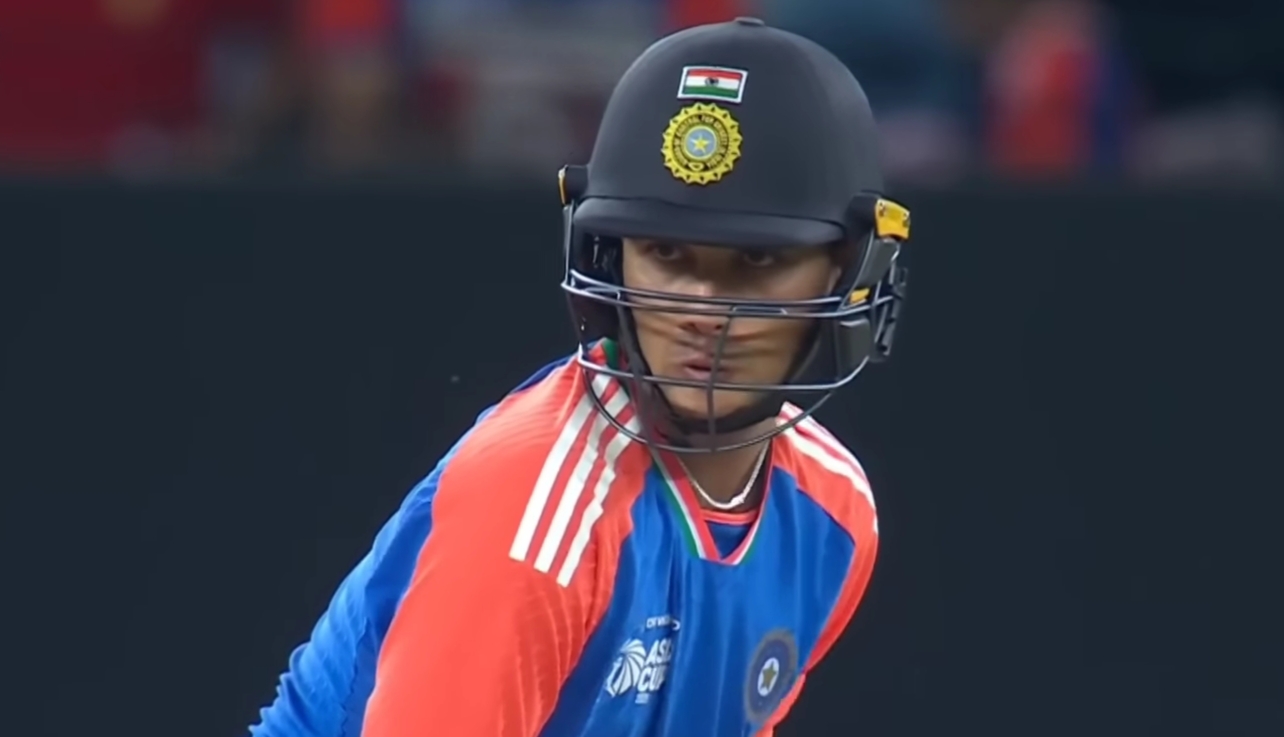
In a sensational display of power-hitting, Abhishek Sharma stunned the cricketing world by smashing a 12-ball half-century in the Syed Mushtaq Ali Trophy (SMAT) 2025. The world’s No.1 T20I batter, who is captaining Punjab in this year’s tournament, unleashed an extraordinary knock against Bengal on Sunday morning (November 30) at the Gymkhana Ground in Hyderabad. Abhishek Sharma Hits 12-Ball 50

SMAT 2025 Shock: Abhishek Sharma and Sanju Samson Fail to Fire in Second-Round Clashes
November 30, 2025
Abhishek Sharma Fails to Fire in High-Scoring SMAT Thriller India’s T20I opener Abhishek Sharma endured a difficult outing in the second round of the Syed Mushtaq Ali Trophy (SMAT) on Friday, November 28. Known for dominating high-scoring contests, Abhishek could not make an impact for Punjab in their clash against Haryana, falling for just six runs and later failing again


Man City vs Leeds United: Premier League Live Action, Goals, Line-Ups & Championship Highlights
November 29, 2025
The Premier League served up a dramatic afternoon of football, headlined by the highly anticipated Man City vs Leeds United clash at the Etihad Stadium. With goals flying in across both the Premier League and Championship, fans were treated to a packed schedule of action, early strikes, and tense moments. Championship: Lewis Dobbin nodded home at a corner to make


Cyclone Ditwah Nears Tamil Nadu Coast: India on High Alert as Sri Lanka Death Toll Crosses 80
November 29, 2025
As Cyclone Ditwah continues its slow movement along the Bay of Bengal, India remains on high alert with the IMD issuing red and orange warnings for multiple districts across Tamil Nadu and Andhra Pradesh. The storm, which Sri Lanka and claimed over 80 lives, is now steadily approaching the Indian coastline, prompting emergency preparations and widespread caution. Ditwah’s Slow March:

South Africa সিরিজের পর Rohit Sharma এবং Virat Kohli ওয়ানডে ভবিষ্যৎ নিয়ে গুরুত্বপূর্ণ বৈঠক করবে BCCI
November 29, 2025
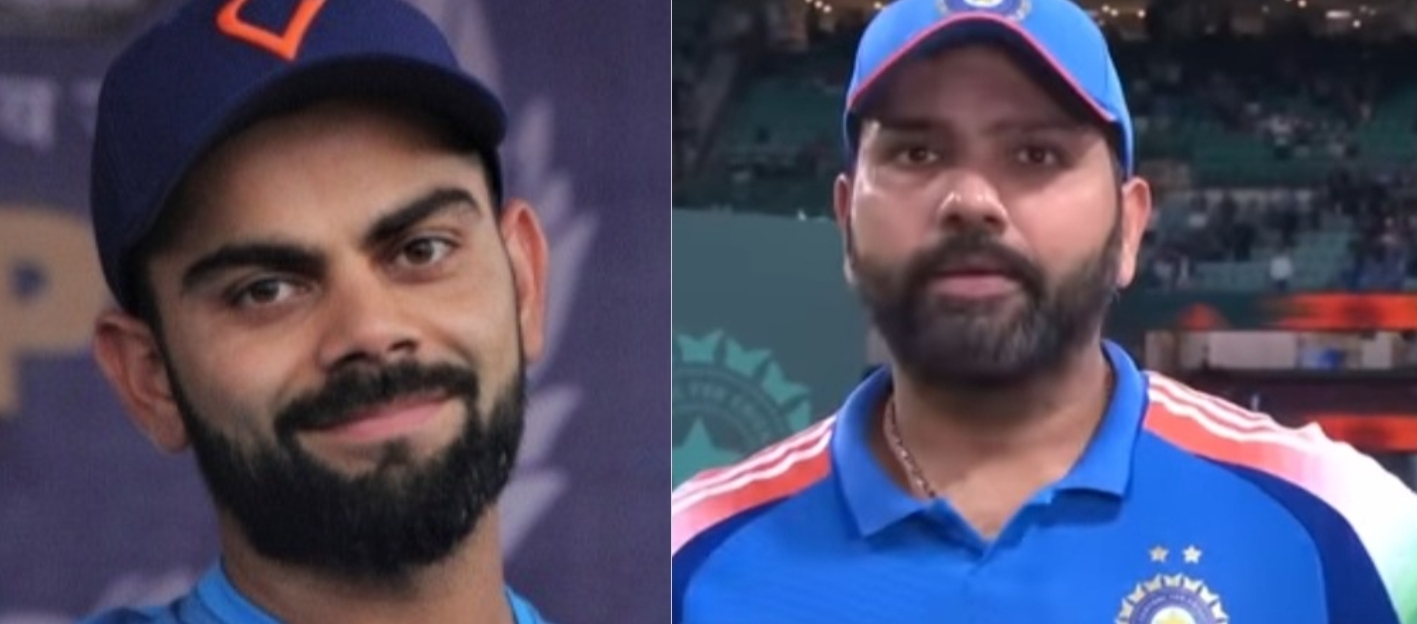
ভারতের ওয়ানডে মরশুম শেষ হওয়ার সাথে সাথে, ভারতীয় ক্রিকেট বোর্ড (BCCI) ওয়ানডে সেটআপে সিনিয়র তারকা Rohit Sharma এবং Virat Kohli ভবিষ্যৎ নিয়ে একটি সিদ্ধান্তমূলক আলোচনার প্রস্তুতি নিচ্ছে। দক্ষিণ আফ্রিকার বিরুদ্ধে চলমান তিন ম্যাচের ওয়ানডে সিরিজের পর পরিকল্পিত এই বৈঠকে ২০২৭ সালের ওয়ানডে বিশ্বকাপের জন্য ভারতের রোডম্যাপের উপর বিশেষভাবে আলোকপাত করা হবে। BCCI কেন Rohit Sharma এবং Virat Kohli ওয়ানডে ভূমিকা
South Africa सीरीज़ के बाद Virat Kohli और Rohit Sharma के ODI भविष्य पर BCCI एक ज़रूरी मीटिंग करेगा
November 29, 2025
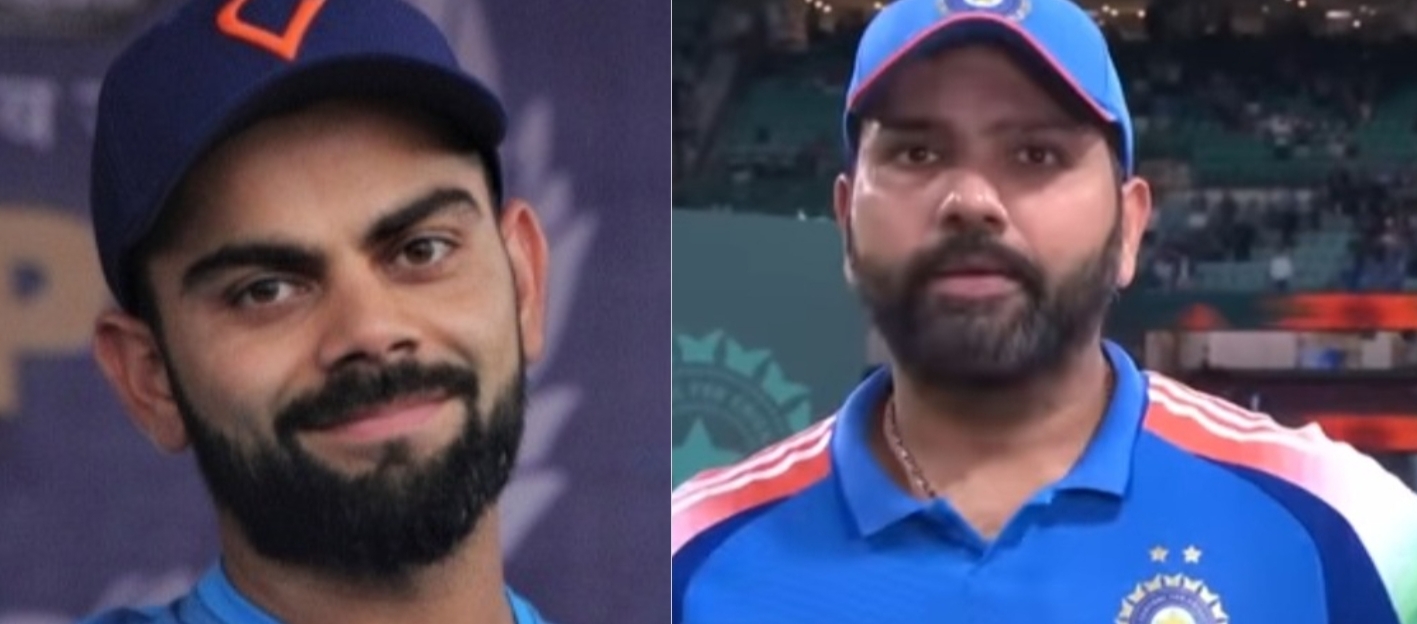
जैसे-जैसे भारत का One-Day इंटरनेशनल सीज़न खत्म होने वाला है, भारतीय क्रिकेट कंट्रोल बोर्ड (BCCI) ODI सेटअप में सीनियर स्टार Rohit Sharma और Virat Kohli के भविष्य पर एक अहम चर्चा की तैयारी कर रहा है। यह मीटिंग—South Africa के खिलाफ चल रही तीन मैचों की ODI सीरीज़ के बाद प्लान की गई है—इसमें 2027 ODI वर्ल्ड कप के लिए
BCCI to Hold Crucial Meeting on Rohit Sharma and Virat Kohli’s ODI Future After South Africa Series
November 29, 2025
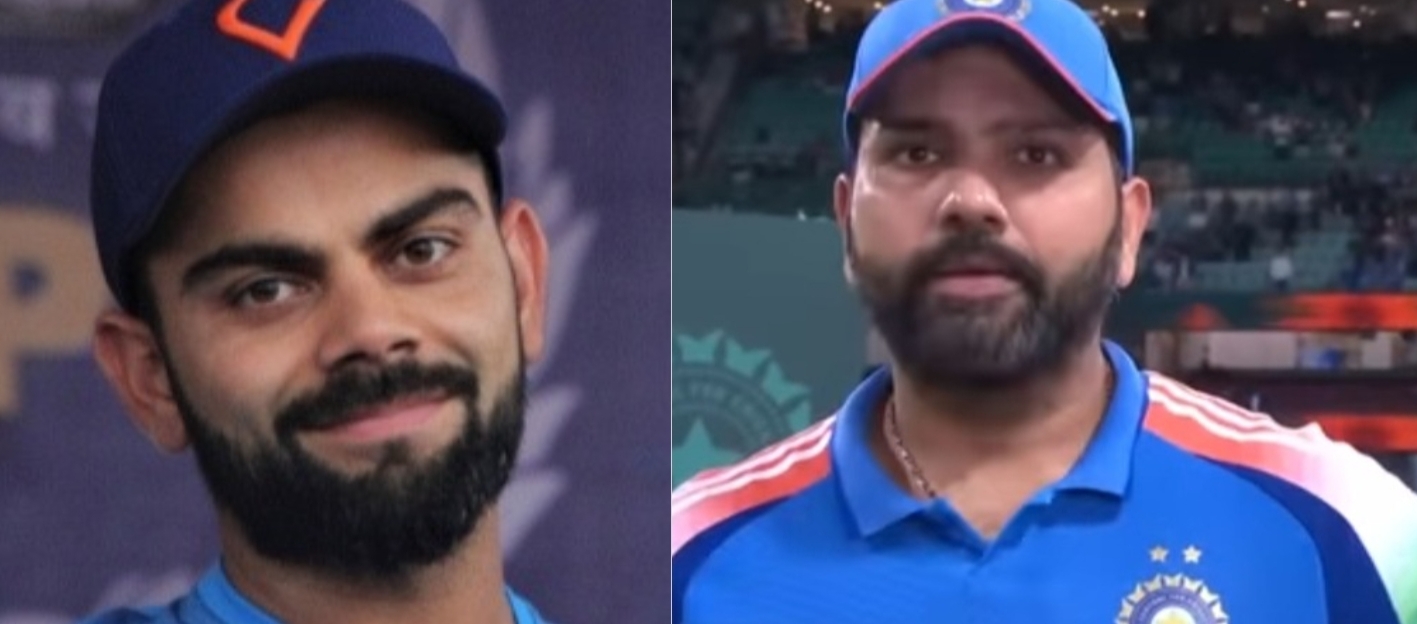
As India’s One-Day International season approaches its close, the Board of Control for Cricket in India (BCCI) is preparing for a decisive discussion on the future of senior stars Rohit Sharma and Virat Kohli in the ODI setup. The meeting—planned after the ongoing three-match ODI series against South Africa—will focus heavily on India’s roadmap for the 2027 ODI World Cup.


‘Tere Ishq Mein’ মুভি রিভিউ এবং রিলিজ আপডেট: ধানুশ-কৃতি ফিল্ম শক্তিশালী উদ্বোধনী দিনকে লক্ষ্য করে
November 28, 2025
আনন্দ এল রাইয়ের সর্বশেষ চলচ্চিত্র, “Tere Ishq Mein”, ধানুশ এবং কৃতি স্যানন অভিনীত, একটি ভারী আবেগপূর্ণ ভিত্তি নিয়ে আসে কিন্তু শেষ পর্যন্ত ট্র্যাজিক রোম্যান্সের ছদ্মবেশে পুরুষ এনটাইটেলমেন্টের একটি অস্বস্তিকর অনুসন্ধানে পরিণত হয়। ফিল্মটি অনুপস্থিত ভালবাসার নামে “ভুল বোঝা পুরুষদের” জন্য ক্ষমা প্রার্থনার মতো অভিনয় করে। ‘Tere Ishq Mein’ রিভিউ: সারসংক্ষেপ “Tere Ishq Mein” একটি অন্ধকার, আবেগগতভাবে ভারী চলচ্চিত্র যেখানে আবেশকে

‘Tere Ishq Mein’ मूवी समीक्षा और रिलीज अपडेट: धनुष-कृति की फिल्म ने मजबूत ओपनिंग डे का लक्ष्य रखा है
November 28, 2025
आनंद एल राय की नवीनतम फिल्म, “Tere Ishq Mein”, जिसमें धनुष और कृति सैनन हैं, एक भारी भावनात्मक आधार के साथ आती है, लेकिन अंततः दुखद रोमांस के रूप में प्रच्छन्न पुरुष अधिकार की एक असहज खोज में बदल जाती है। यह फिल्म एकतरफा प्यार के नाम पर “गलत समझे गए पुरुषों” के लिए माफी की तरह है। ‘Tere Ishq