

Mercedes may not be shouting from the rooftops, but inside the Formula 1 paddock, its name is being whispered with equal parts admiration and frustration. As the sport edges closer to the 2026 regulation reset, a seemingly dry technical detail has sparked a fresh political storm — and Mercedes is right at the heart of it.
This time, it’s not porpoising, ride height, or floor flexibility.
It’s engine compression — and how hot things get once the lights go out.
Why Mercedes Is Suddenly Under the Microscope
Formula 1 is never just about lap times. It’s about interpretation — of rules, of wording, and sometimes of physics itself.
Under the upcoming 2026 power unit regulations, the FIA reduced the maximum permitted compression ratio from roughly 18:1 to 16:1. The goal was clear:
- Control performance
- Prevent runaway speed gains
- Help new manufacturers like Audi compete fairly
On paper, it looked simple. But Formula 1 has never been a paper sport.
What raised eyebrows across the grid is how that compression ratio is measured — and how Mercedes may have approached it.
Compression Ratio, Explained Simply
At its most basic level:
- Compression ratio = how much the air-fuel mixture is squeezed inside the engine cylinder before ignition
- More squeeze means a bigger explosion
- Bigger explosion means more power
- More power means faster lap times
In Formula 1, even the smallest increase in efficiency can translate into real on-track advantage.
The FIA checks this compression ratio when the engine is cold and stationary — effectively in garage conditions, not during racing.
That detail is where the controversy begins.
The Cold Test vs the Hot Reality
Engines don’t race cold. They race extremely hot.
And as every school textbook teaches, metal expands when heated.
The theory being discussed inside the paddock is simple but powerful:If an engine is designed to meet the 16:1 compression limit when cold, but its internal components expand in a precise way once heated, the effective compression ratio can increase during racing conditions.
The engine stays legal in the garage. But on track, it quietly becomes more efficient.
Reports suggest Mercedes, along with Red Bull Powertrains, may have used this exact interpretation — not by breaking the rule, but by reading it carefully.
In Formula 1 terms, that’s elite-level engineering.
Why Rival Teams Are Unhappy
This isn’t outrage for the sake of drama. The concern is performance.
Even a tiny gain in engine efficiency can mean:
- A few extra horsepower
- A couple of tenths per lap
- The difference between pole position and P3
- Or between overtaking and staring at a rival’s gearbox for 60 laps
That’s why Ferrari, Honda, and Audi are watching closely — and not smiling.
Their argument isn’t that Mercedes has cheated.
It’s that the spirit of the rule was to limit compression under all conditions, not just when the engine is cold.
Mercedes’ position is equally clear: If the regulation specifies cold measurement, and the engine passes that test, it’s legal. Full stop.
Is Mercedes Actually Doing Anything Illegal?
Short answer: No
And that’s what makes the situation uncomfortable.
There’s no hidden mechanism.
No secret device.
No system that activates or deactivates.
It’s simply thermodynamics applied cleverly — using heat expansion to gain performance within the written rules.
That approach has defined Formula 1 for decades. The sport has always rewarded teams that exploit grey areas before others notice them.
Mercedes has just found itself on the opposite side of the debate this time.
The FIA’s Dilemma
Now the governing body faces a familiar crossroads.
Option one:
- Tighten the wording
- Risk disrupting teams mid-cycle
Option two:
- Let it run
- Observe the performance impact
- Step in later with a clarification or technical directive
Historically, the FIA tends to choose patience first and correction later. Let the innovation exist. Then quietly close the door in the following season.
That playbook may repeat itself here.
The Bigger Meaning Behind the Mercedes Debate
Zooming out, this situation isn’t really about compression ratios at all.
It’s about what Formula 1 always becomes during regulation changes:
- A battle of interpretation
- Engineers vs a 300-page rulebook
- Innovation hiding in the smallest details
Some eras are defined by aerodynamics. Others by tyres or fuel flow.
As 2026 approaches, Mercedes has reminded the paddock that heat itself can become a performance weapon.
Only in Formula 1 can something as basic as “metal expands when hot” turn into a championship talking point.
And only in Formula 1 can being legal in the garage — and faster on track — be the ultimate win.
✅FAQs
Why is Mercedes being discussed ahead of the 2026 F1 season?
Mercedes is linked to a clever interpretation of engine compression rules that could increase performance once the engine heats up during racing.
Is Mercedes breaking the rules?
No. The engine reportedly complies with FIA tests conducted under cold conditions, which is how compression is currently measured.
Why are rival teams concerned?
Because small gains in compression efficiency can translate into significant lap time advantages.
Will the FIA intervene?
Possibly, through future clarifications or technical directives, but no immediate action is confirmed.









How Did LeBron James Make NBA History at 41?
February 13, 2026
At 41, in his 23rd NBA season, the Los Angeles Lakers superstar delivered a historic performance to lead his team to a commanding 124-104 victory over the Dallas Mavericks. I surrender — there are NO superlatives remaining for LeBron James. A Triple Double at 41? LeBron James Challenges Father Time To Write NBA History… Once more At 41, in his

From Interview to Backlash: How One Statement Put Jim Ratcliffe in the Spotlight
February 13, 2026
Jim Ratcliffe’s Assertions Disproved: ‘Hypocrite’ Man United Co-Owner Criticized Jim Ratcliffe, co-owner of Manchester United, encounters criticism for stating that immigrants are colonizing the UK. The Storm Around Jim Ratcliffe Billionaire entrepreneur and Manchester United co-owner Jim Ratcliffe is encountering strong criticism after asserting that immigrants are “colonising” the UK — remarks that detractors argue reflect “far-right narratives.” The CEO
The Rule Violation That Ended Heraskevych’s 2026 Winter Olympics Campaign
February 13, 2026
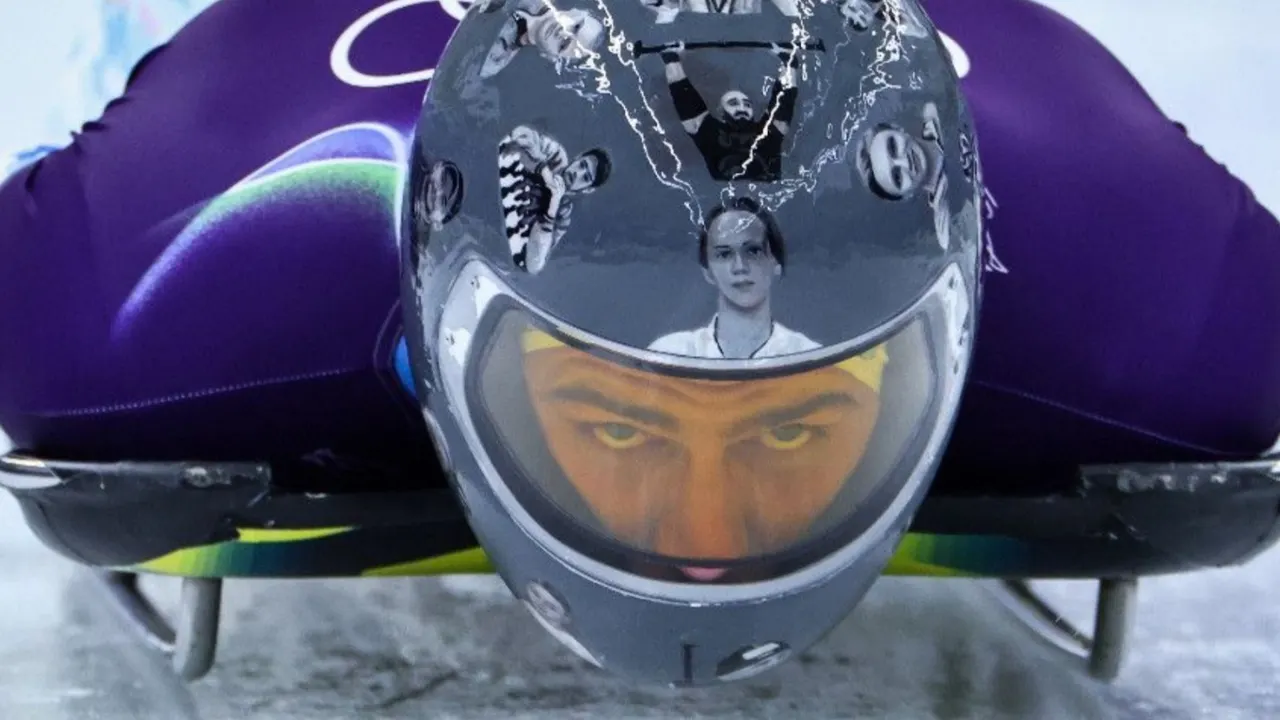
Heraskevych has been banned for sporting a helmet featuring pictures of Ukrainian athletes who lost their lives in the conflict with Russia. Ukrainian skeleton athlete Vladyslav Heraskevych’s struggle with the International Olympic Committee (IOC) concludes in failure. IOC Disqualifies Ukraine’s Heraskevych From 2026 Winter Olympics Due to Memorial Helmet The IOC has formally disqualified Heraskevych from the current 2026 Milan-Cortina

Olympic Bronze Turns Emotional: Laegreid’s Confession Sparks Reaction
February 13, 2026
Medal Moment Tainted: Ex-Betrayed Responds After Olympic Medallist’s On-Air Affair Revelation Sturla Holm Laegreid’s Olympic bronze was eclipsed by his emotional admission of infidelity, inciting backlash and a candid reaction from his former girlfriend. Sturla Holm Laegreid’s Olympic bronze ought to have been the narrative Rather, it’s his emotional admission of cheating that remains the focus of news — and

653 Games: James Milner Joins Gareth Barry in Premier League History
February 13, 2026
653 And Growing: James Milner Marks Premier League History With Record Number of Appearances Milner matched Gareth Barry’s record of 653 Premier League appearances, having played for six different PL clubs; one additional game will establish a new record. ‘Dull’ James Milner? Nope, it’s ‘Evergreen’ James Milner The apparently-unbreakable Englishman just matched history — and he’s not finished yet. The

Roger Federer Fever: Fans Snap Up Hall of Fame Tickets in Minutes
February 13, 2026
Federer Excitement: Tickets For Swiss Icon’s Hall Of Fame Induction Gone In Only TWO Minutes Roger Federer will be honored in the International Tennis Hall of Fame in Newport on August 28, with tickets quickly selling out in two minutes. Roger Federer’s upcoming standing ovation has a schedule — and an unmatched level of excitement. The International Tennis Hall of
Lewis Hamilton Faces New Challenge Ahead of F1 2026 Season
February 13, 2026
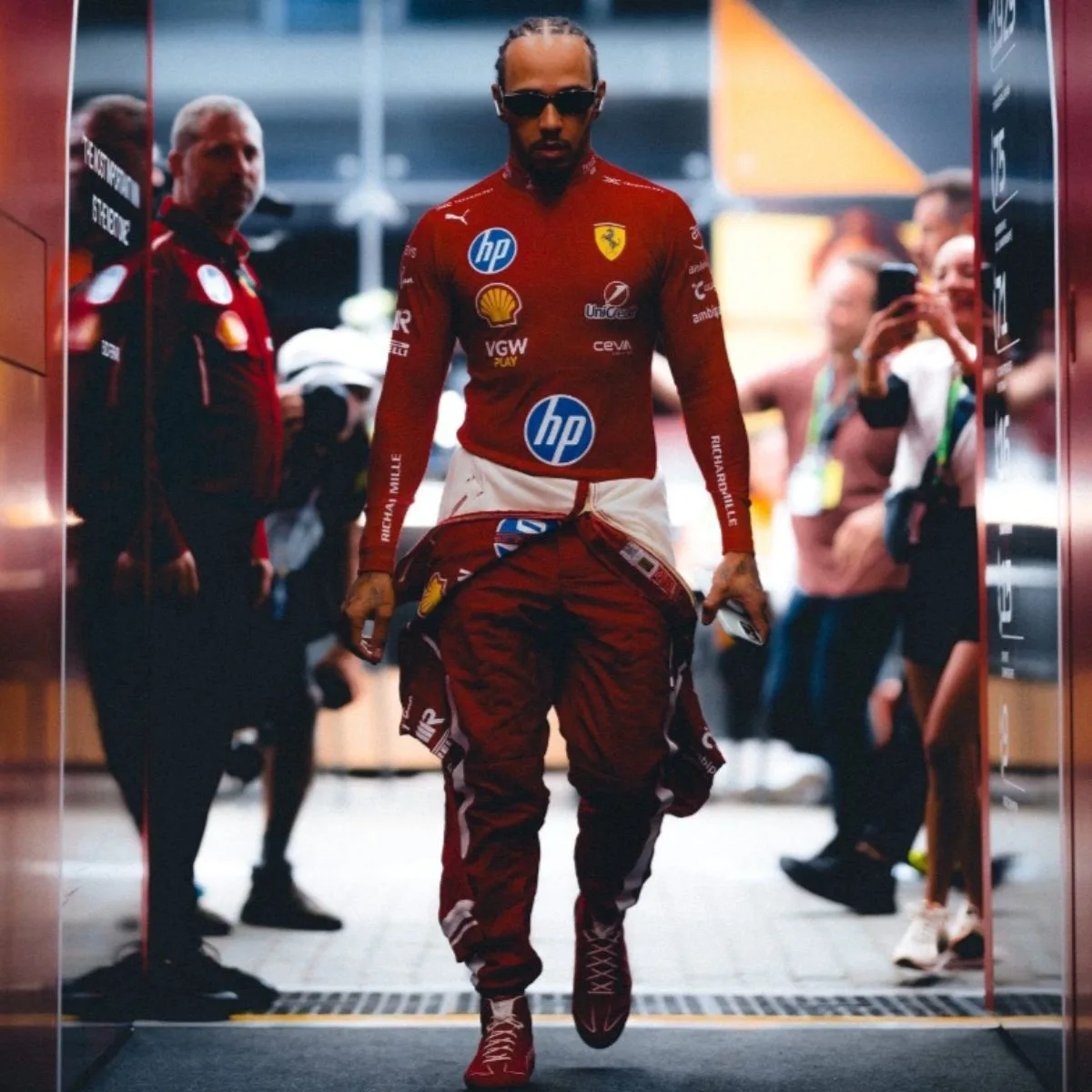
Lewis Hamilton contemplates his difficult separation from Riccardo Adami following a demanding inaugural season with Ferrari last year. Lewis Hamilton confronts challenging decisions head-on, but this particular one seemed to weigh heavily on him. ‘Harmful’: Ferrari’s Lewis Hamilton Discusses Changes in Race Engineering Team The seven-time world champion discussed his separation from veteran race engineer Riccardo Adami following his initial

‘Still Crying’: Jake Paul’s Emotional Reaction to Jutta Leerdam’s Olympic Gold
February 11, 2026
Jutta Leerdam achieved gold and established an Olympic record in speed skating at Milano Cortina 2026. Jake Paul, her fiancé, joyfully cheered from the sidelines. Jutta Leerdam gave the performance of a lifetime in Milan, and nobody experienced it more than Jake Paul. When the Dutch speed-skating sensation finished the women’s 1,000m at the Milano Cortina 2026 Winter Olympics, the
How Did an Olympic Celebration Turn Into an Emotional Confession?
February 11, 2026
Secured Bronze, Yet At What Price? Medal-winning Olympian Confesses To Betraying Girlfriend During Live Broadcast Sturla Holm Laegreid earned an Olympic bronze in Milano Cortina but admitted live on air to being unfaithful to his girlfriend. Norwegian biathlete Sturla Holm Laegreid stood on the podium in Milano Cortina wearing an Olympic bronze medal — but celebrating was far from his

Stephen Curry Injury News: Brandon Ingram Steps In for 2026 All-Star Game
February 11, 2026
Steph Curry OUT, Brandon Ingram IN: Raptors Star Chosen As NBA All-Star Replacement Brandon Ingram takes the place of Stephen Curry for the 2026 NBA All-Star Game following Curry’s knee injury. Stephen Curry won’t be shining in Los Angeles this weekend. Instead, it’s Brandon Ingram who is getting ready for the NBA All-Star Game. The Toronto Raptors forward has been