
Mercedes may not be shouting from the rooftops, but inside the Formula 1 paddock, its name is being whispered with equal parts admiration and frustration. As the sport edges closer to the 2026 regulation reset, a seemingly dry technical detail has sparked a fresh political storm — and Mercedes is right at the heart of it.
This time, it’s not porpoising, ride height, or floor flexibility.
It’s engine compression — and how hot things get once the lights go out.
Why Mercedes Is Suddenly Under the Microscope
Formula 1 is never just about lap times. It’s about interpretation — of rules, of wording, and sometimes of physics itself.
Under the upcoming 2026 power unit regulations, the FIA reduced the maximum permitted compression ratio from roughly 18:1 to 16:1. The goal was clear:
- Control performance
- Prevent runaway speed gains
- Help new manufacturers like Audi compete fairly
On paper, it looked simple. But Formula 1 has never been a paper sport.
What raised eyebrows across the grid is how that compression ratio is measured — and how Mercedes may have approached it.
Compression Ratio, Explained Simply
At its most basic level:
- Compression ratio = how much the air-fuel mixture is squeezed inside the engine cylinder before ignition
- More squeeze means a bigger explosion
- Bigger explosion means more power
- More power means faster lap times
In Formula 1, even the smallest increase in efficiency can translate into real on-track advantage.
The FIA checks this compression ratio when the engine is cold and stationary — effectively in garage conditions, not during racing.
That detail is where the controversy begins.
The Cold Test vs the Hot Reality
Engines don’t race cold. They race extremely hot.
And as every school textbook teaches, metal expands when heated.
The theory being discussed inside the paddock is simple but powerful:If an engine is designed to meet the 16:1 compression limit when cold, but its internal components expand in a precise way once heated, the effective compression ratio can increase during racing conditions.
The engine stays legal in the garage. But on track, it quietly becomes more efficient.
Reports suggest Mercedes, along with Red Bull Powertrains, may have used this exact interpretation — not by breaking the rule, but by reading it carefully.
In Formula 1 terms, that’s elite-level engineering.
Why Rival Teams Are Unhappy
This isn’t outrage for the sake of drama. The concern is performance.
Even a tiny gain in engine efficiency can mean:
- A few extra horsepower
- A couple of tenths per lap
- The difference between pole position and P3
- Or between overtaking and staring at a rival’s gearbox for 60 laps
That’s why Ferrari, Honda, and Audi are watching closely — and not smiling.
Their argument isn’t that Mercedes has cheated.
It’s that the spirit of the rule was to limit compression under all conditions, not just when the engine is cold.
Mercedes’ position is equally clear: If the regulation specifies cold measurement, and the engine passes that test, it’s legal. Full stop.
Is Mercedes Actually Doing Anything Illegal?
Short answer: No
And that’s what makes the situation uncomfortable.
There’s no hidden mechanism.
No secret device.
No system that activates or deactivates.
It’s simply thermodynamics applied cleverly — using heat expansion to gain performance within the written rules.
That approach has defined Formula 1 for decades. The sport has always rewarded teams that exploit grey areas before others notice them.
Mercedes has just found itself on the opposite side of the debate this time.
The FIA’s Dilemma
Now the governing body faces a familiar crossroads.
Option one:
- Tighten the wording
- Risk disrupting teams mid-cycle
Option two:
- Let it run
- Observe the performance impact
- Step in later with a clarification or technical directive
Historically, the FIA tends to choose patience first and correction later. Let the innovation exist. Then quietly close the door in the following season.
That playbook may repeat itself here.
The Bigger Meaning Behind the Mercedes Debate
Zooming out, this situation isn’t really about compression ratios at all.
It’s about what Formula 1 always becomes during regulation changes:
- A battle of interpretation
- Engineers vs a 300-page rulebook
- Innovation hiding in the smallest details
Some eras are defined by aerodynamics. Others by tyres or fuel flow.
As 2026 approaches, Mercedes has reminded the paddock that heat itself can become a performance weapon.
Only in Formula 1 can something as basic as “metal expands when hot” turn into a championship talking point.
And only in Formula 1 can being legal in the garage — and faster on track — be the ultimate win.
✅FAQs
Why is Mercedes being discussed ahead of the 2026 F1 season?
Mercedes is linked to a clever interpretation of engine compression rules that could increase performance once the engine heats up during racing.
Is Mercedes breaking the rules?
No. The engine reportedly complies with FIA tests conducted under cold conditions, which is how compression is currently measured.
Why are rival teams concerned?
Because small gains in compression efficiency can translate into significant lap time advantages.
Will the FIA intervene?
Possibly, through future clarifications or technical directives, but no immediate action is confirmed.






John Cena Set for Final WWE Match on December 14: Gunther vs LA Knight to Decide His Last Opponent
December 4, 2025
The countdown to an emotional moment in WWE history has officially begun. John Cena, one of the most iconic superstars of all time, is preparing to step inside the ring for the final time on December 14, and the world now knows who could stand across from him. After weeks of intense competition, the John Cena Last Time Is Now
Virat Kohli’s Back-to-Back Hundreds Push Him Toward Historic Milestone
December 3, 2025
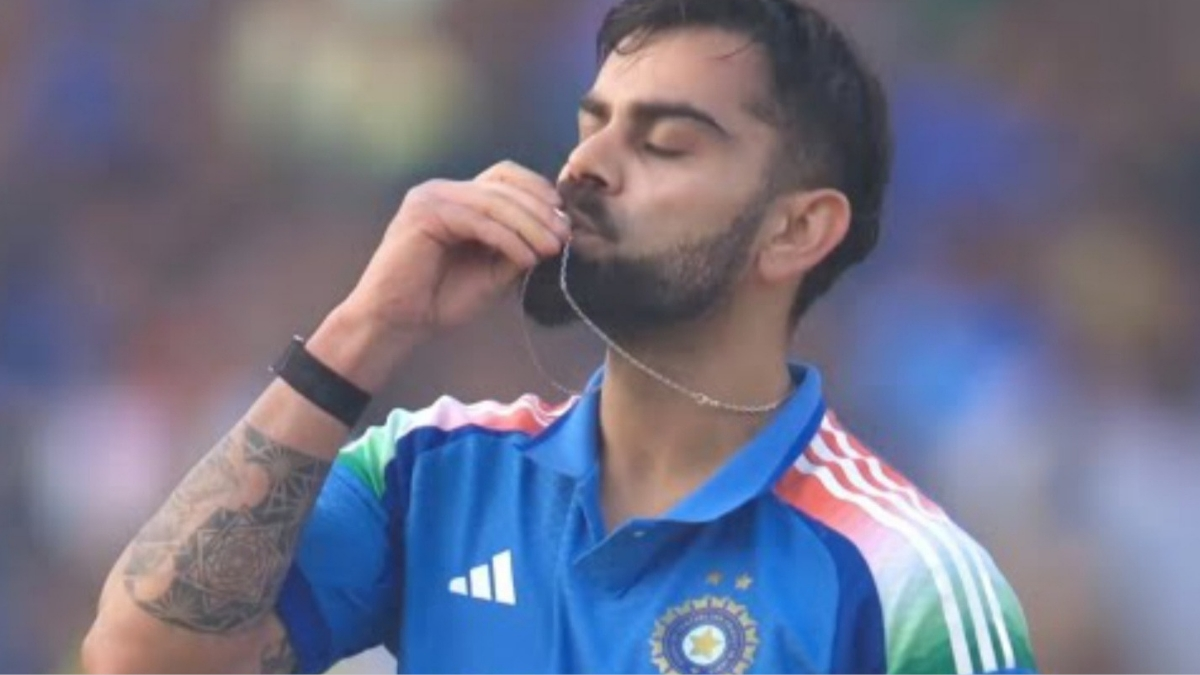
In the second ODI against South Africa in Raipur, Indian cricket star Virat Kohli scored his second century in consecutive matches. The 37-year-old, who had previously netted 135 runs in the series opener in Ranchi, took only 90 balls to achieve this milestone. This marked his 53rd century in ODIs, further extending his record in the format. Virat Kohli Reaches

India Vs South Africa 2nd ODI: Rohit Sharma, Virat Kohli Warm Up As India Aim To Seal Series in Raipur
December 3, 2025
The stage is set at the Shaheed Veer Narayan Singh International Cricket Stadium in New Raipur as the excitement builds for the India Vs South Africa 2nd ODI. With the series on the line, KL Rahul’s India will look to secure a decisive win, banking once again on the leadership presence of Rohit Sharma and the exceptional form of Virat
India vs South Africa: Raipur Prepares for Blockbuster 2nd ODI as Fans Go Crazy for Kohli, Rohit
December 3, 2025
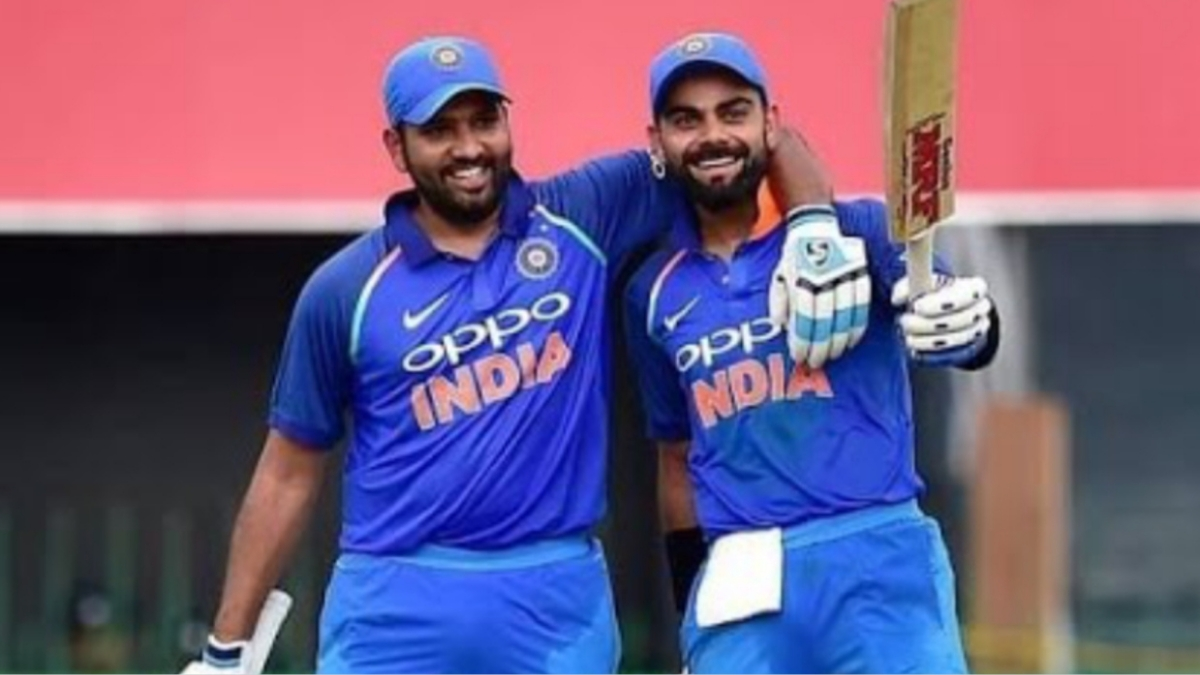
As the countdown begins for the India vs South Africa second ODI, Raipur is witnessing a level of cricket fever it has rarely experienced before. The Shaheed Veer Narayan Singh Stadium — India’s third-largest cricket venue — has hosted only two international matches so far, both in 2023. But after two years of waiting, the city is buzzing once again

IND vs SA, 2nd ODI: Dew Dilemma in Raipur – Will India Pick Washington Sundar or Nitish Reddy?
December 2, 2025
IND vs SA, 2nd ODI: What’s the par score when chasing in the first ODI? 400, or nearly. Such was the influence of dew. India got relatively lucky in the sense that the dew initially assisted them with the new ball to get the ball skidding on, and South Africa lost wickets in a clutch. Had they preserved wickets in

Lakers vs Suns: Doncic’s 38 Not Enough as Brooks Powers Phoenix to Victory
December 2, 2025
NBA 2025, Lakers vs Suns Highlights: The Los Angeles Lakers lost 108-125 to the Phoenix Suns at the arena, ending their seven-game winning streak. Lakers vs Suns Highlights: At the Arena, the Los Angeles Lakers lost 108-125 to the Phoenix Suns, ending their seven-game winning streak. Despite another 38-point masterclass from Luka Dončić, who struggled to find additional scoring support

WTC 2025-27: New Zealand Target Strong Start as Kane Williamson Leads Comeback
December 2, 2025
New Zealand, the final of the nine teams participating in the World Test Championship (WTC) 2025–27 cycle, is set to start their campaign. They haven’t played a Test match against Zimbabwe in four months, and their last WTC match was a year ago when England visited them and won the Crowe-Thorpe Trophy 2-1. Kane Williamson, who skipped the Tests against
Rate Cut Debate Intensifies As RBI Prepares To Announce Monetary Policy On Friday
December 1, 2025
As the Reserve Bank of India (RBI) readies itself for the crucial monetary policy announcement this Friday, the financial markets remain sharply divided on whether the central bank will opt for a rate cut or maintain the current policy stance. With India’s GDP delivering a robust 8.2% growth and inflation slipping to a multi-decade low, the RBI’s Monetary Policy Committee
India vs South Africa: Kohli–Rohit Heroics Seal Crucial Win in Ranchi as Kaif Says “Old Is Still Gold”
December 1, 2025
In a gripping India vs South Africa ODI clash in Ranchi, former cricketer Mohammed Kaif delivered a strong verdict: without Virat Kohli and Rohit Sharma, India had no chance. His analysis came after the senior duo produced a commanding partnership that proved decisive in India’s narrow 17-run victory. India vs South Africa: Kohli’s Century and Rohit’s Fifty Change the Game

Sunil Gavaskar Hails Virat Kohli as ODI’s Ultimate GOAT, Says ‘Surpassing Sachin Is No Small Feat
November 30, 2025
In a defining moment for modern cricket, Virat Kohli’s 52nd ODI hundred in Ranchi has not only rewritten the history books but also reignited — and perhaps conclusively ended — the long-standing debate about the greatest one-day batter of all time. Moments after Kohli surpassed Sachin Tendulkar’s iconic mark of 51 ODI centuries, Sunil Gavaskar publicly crowned him the “undisputed