
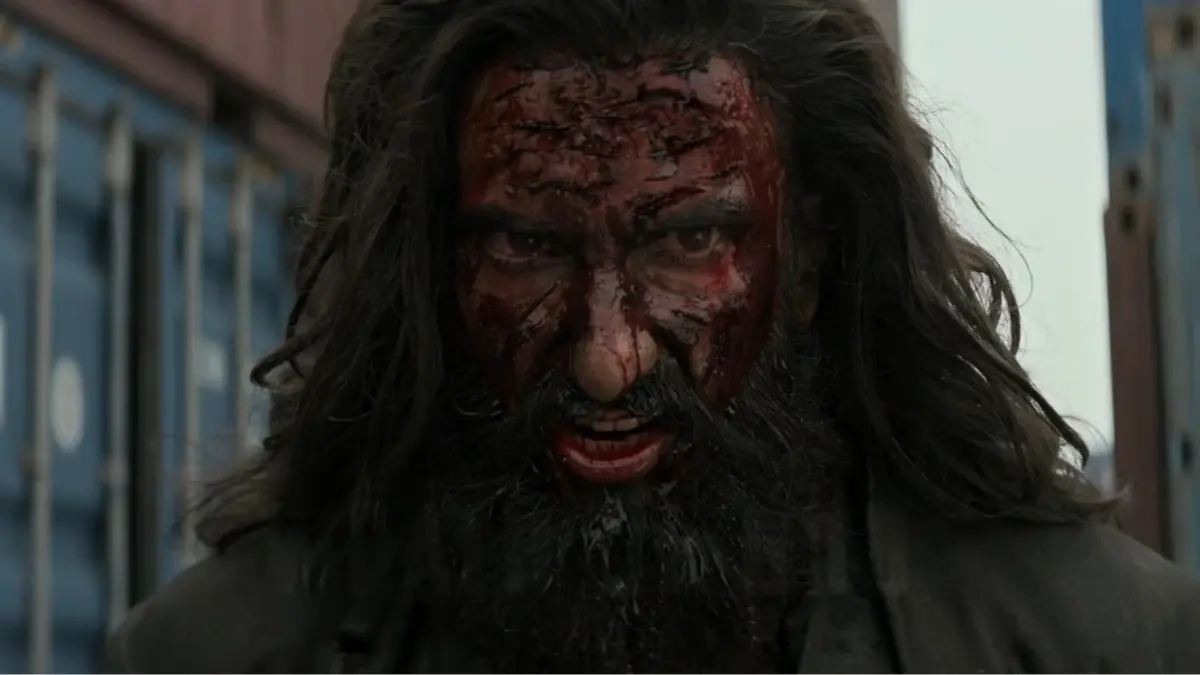
In Dhurandhar, Ranveer Singh exhibits an unusual restraint, showcasing one of his best performances. The boiling frustration, anger, and sorrow in his gaze is unmistakable.
Dhurandhar Movie Review:
Aditya Dhar transformed modern patriotic narratives with Uri: The Surgical Strike. Now arrives Dhurandhar, his second feature film. At its finest, it can be characterized as a masterclass in crafting a deshbhakti film. Boasting jingoism and chanting ‘Hindustan zindabad, Pakistan murdabad’ isn’t the sole method to stir nationalistic feelings. At times, ethical conflict subtly expressed through intense gazes and innovative hip hop tracks during combat scenes as you defeat your Pakistani adversaries can yield remarkable results.
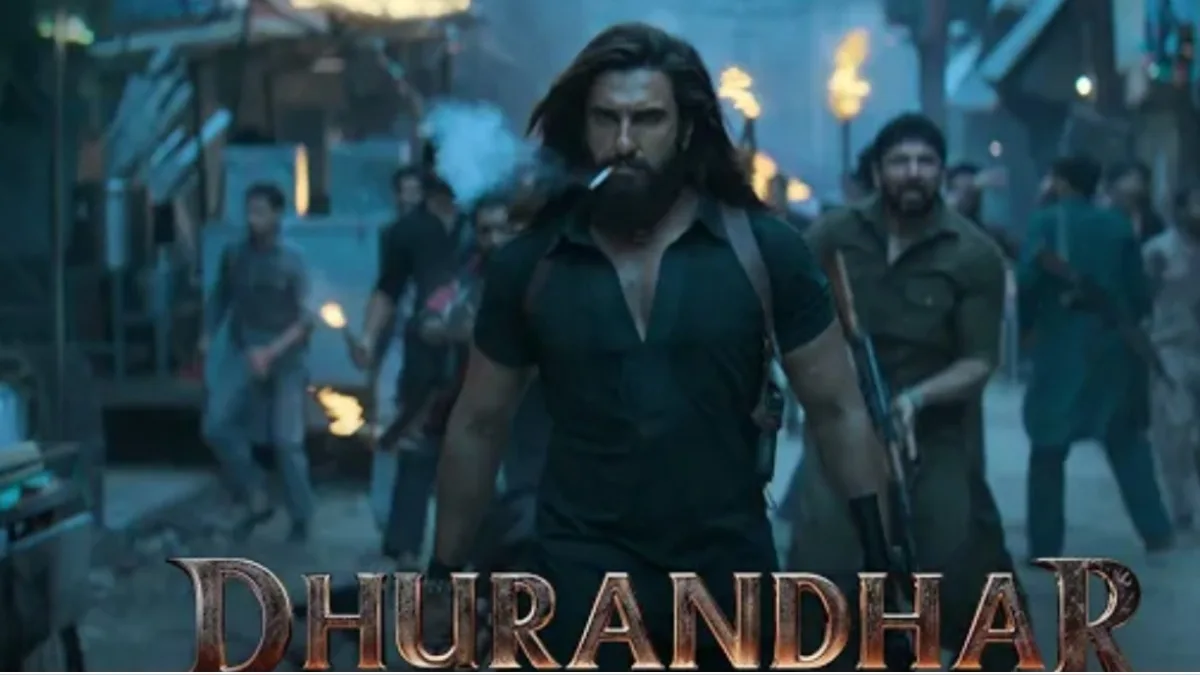
Read Also:Dhurandhar: Ranveer Singh’s Fiercest Avatar Explodes in Aditya Dhar’s High-Voltage Thriller
Indeed, Dhurandhar contains profanity, bloodshed, and violence in abundance; however, this enhances the story’s richness and depth. Here, everything is meaningful and intentional. And that’s what differentiates this film and allows it to be distinct from the many that employ brutality as a means of arousal. Before we delve into the details of this film, we should note that you should expect a complicated, lengthy, winding narrative set in a complex world of politics and espionage – one that is rooted in a remarkable true story but also crafted for dramatic impact.
For easier comprehension, the screenplay is divided into seven sections: The Cost of Harmony, Stranger in the Avenue of Shadows, The Illegitimate Monarch of Lyari, Bullets and Blooms, The Genie, The Guardian of the Devil, and Et Tu Brutus. Dhurandhar began in 1999 during the notorious IC 814 hijacking incident in Kandahar. IB Chief Ajay Sanyal, after considerable hesitation regarding the release of Pakistani terrorists from India and their return to their homeland, ultimately concedes to the pressure from our then External Affairs minister
However, vengeance is certainly in his thoughts. After an assault on Parliament in 2001, Ajay concludes that he has had enough and devises a strategy to penetrate the heart of the terrorist regime and purify it. Together with the Indian government, he creates Dhurandhar, a mission aimed at eliminating Pakistani terrorism for good. Hamza, a spy from India, is dispatched to Lyari to finish the assignment. Currently, Lyari is a center of local gang conflicts. This town characterized by anarchy is governed by three factions: Rehman Dakait, Babu Dakait, and Arshad Pappu.
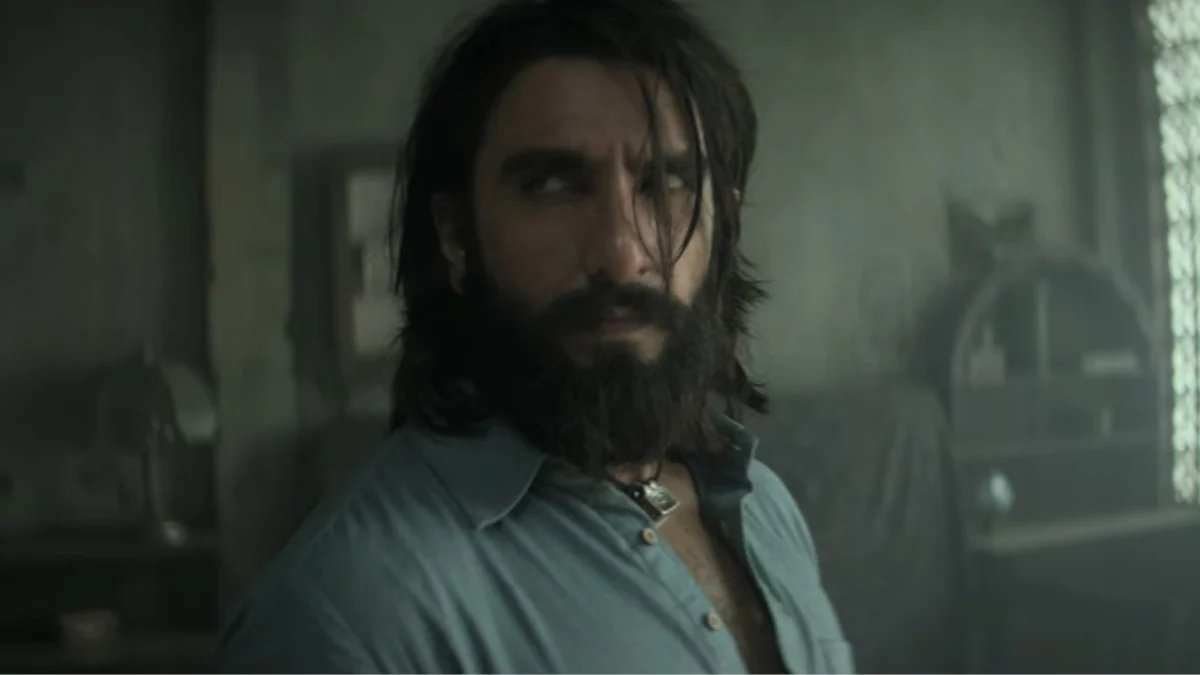
Also Read:Dhurandhar Sets the Screen Ablaze: Early Reviews Praise Ranveer Singh’s Intensity
Hamza quickly becomes engrossed in Rehman’s group. After Babu’s gang members brutally murder his son, Hamza incites Rehman to seek vengeance. Rehman collaborates with ISI officer Major Iqbal to distribute weapons for executing a terrorist attack in India. When Hamza finds out about it, he relays this information to India. However, there are additional characters involved as well. Jamal Jamil is a politician with a fluctuating relationship with Rehman. Then there’s SP Choudhary Aslam, who aims to uplift Lyari.
As Rehman and Major Iqbal execute the horrifying 26/11 attacks in Mumbai, Hamza understands that he can no longer remain inactive and reveals his claws. Meanwhile, Major Iqbal senses that Hamza might actually be an Indian spy. At 3 hours and 30 minutes, Dhurandhar’s a lengthy and weighty experience. Aditya spends his own time developing each character, their backgrounds, and relationships. Nonetheless, it succeeds in capturing your attention from the very beginning. The creator warrants recognition for his thorough research and careful attention to detail.
Similar to Uri, the story here also centers on ‘this is a new Hindustan, it will invade the home and strike as well.’ To enhance authenticity, the director utilizes actual footage of assaults and recordings capturing dialogues among handlers, terrorists, and hostages during the 26/11 incident. Cinematographer Vikash Nowlakha earns praise for his portrayal of the grimy, grey, dusty, claustrophobic, and desolate Lyari, which almost feels like a merciless character of its own.
Another link of similarity between Uri and Dhurandhar is Shashwat Sachdev. His music is the icing on the cake. Incorporating retro classics and Sanskrit mantras blended with Balochi rap and contemporary sounds brings significant style and depth to every episode. For example, while Hamza and his beloved Yalina are fleeing with police vehicles pursuing them, Piya Tu Ab Toh Aaja mixed with hip hop rhythms plays in the background. It artfully captures their intense chemistry arising from opposing backgrounds, transforming the moment into something dynamic.
In a different scene, Sanjay Dutt’s Aslam is unveiled to the tune of Hassan Jahangir’s classic Hawa Hawa, as he captures a local crook for substituting cocaine with talcum powder in a delivery, showcasing the swagger and laid-back attitude the actor embodies even off-screen. His self-deprecating humor is apparent when he states, ‘Aao, main tumhe zabardast charas pilaata hoon!’ His fight sequence with Rehman and Hamza is notable for its intense, distinctive, and dynamic action choreography.
Referring to Dhurandhar’s violence quotient, brutality is seamlessly integrated into its essence. Thus, as you observe heads being smashed and individuals tossed into boiling daal, you understand it fulfills the objective of the broader story. Even in the midst of it all, Aditya holds onto humor that surfaces in bursts. The dry humor is entirely based on character traits and never seems forced like contrived punchlines.
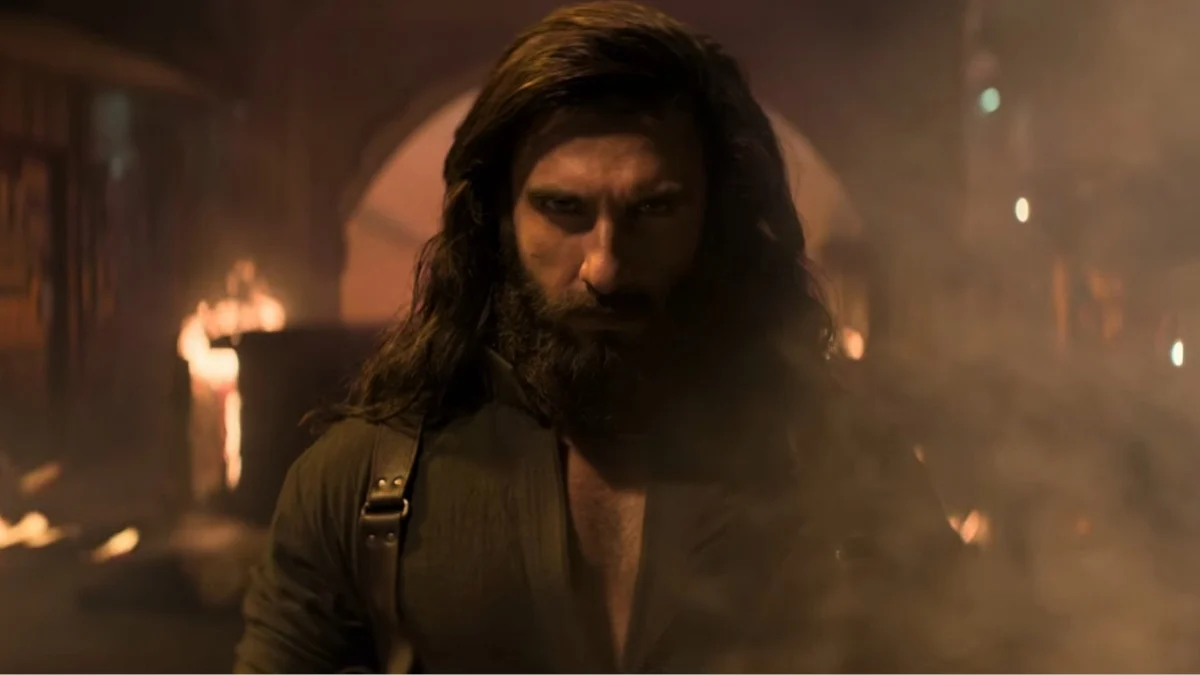
Also Read:Dhurandhar 1st Review: Ranveer Singh Delivers His ‘Most Intense’ Performance Yet
These peaks are additionally heightened by remarkable performances from the ensemble cast. Ranveer Singh in the role of Hamza exhibits an unusual level of restraint. This is a man concealed in view, perpetually struggling with fear, guilt, and nationalism. The boiling tension, anger, and sorrow in his gaze are tangible. In a pivotal moment, while Major Iqbal and Rehman rejoice over the 26/11 assaults on television, Hamza is clearly experiencing an internal moral and human struggle. He is compelled to say ‘Allahu Akbar’ but his conscience prevents him. This struggle divides him internally. It’s among Ranveer’s best moments.
Akshaye Khanna is back on the big screen portraying Rehman Dakait, and he is outstanding. He’s malevolent, composed, clever, and perpetually ahead of the game. His distinctive subtle intensity adds depth to the character. Arjun Rampal, portraying the merciless Major Iqbal, stands out as one of the film’s most formidable antagonists. The offspring of ‘djinn and malevolence’, Iqbal is charming yet frightening. He leans into the shadows and occasionally, he genuinely sends shivers down your spine. Regarding Sanjay, his dark humor is highly effective, making you laugh even while being aware of his potential for complete destruction
Sara Arjun exudes warmth. R Madhavan portrays Ajay Sanyal, taking on an important role, albeit with limited opportunities for emotional outbursts. Rakesh Bedi, portraying politician Jamal Jamil, delivers timely comedic moments that momentarily ease the film’s tension. Gaurav Gera will astonish you in a previously unseen persona. Dhurandhar is intense, fashionable, and unapologetically savage, plunging you into the haze, the grime, and the ethical turmoil enveloping it. It is large, daring and aspirational in equal measure
2 thoughts on “Dhurandhar Movie Review: A Dark, Powerful & Emotionally Charged Saga of Espionage”