

IND vs SA, 2nd ODI: What’s the par score when chasing in the first ODI? 400, or nearly. Such was the influence of dew. India got relatively lucky in the sense that the dew initially assisted them with the new ball to get the ball skidding on, and South Africa lost wickets in a clutch. Had they preserved wickets in the first powerplay, South Africa would well have cantered home. Despite that failure, Marco Jansen bashed the living daylights out of India to threaten a theft.
The caravan is now in Raipur, where evening condensation is likely to sprout up dewy droplets and gatecrash all well-laid plans of the teams. With a capacity of 60,000–65,000, this enormous stadium is located outside of the city, close to a lovely body of water. It is the third largest stadium in the nation, behind Ahmedabad and Kolkata. However, Temba Bavuma of South Africa understands the value of toss and dew and isn’t concerned about the 65,000 Indians yelling from outside the stands. “I believe that choosing to bowl first was the proper choice. The men coming in down scored most of our runs (during the chase). We haven’t considered the crowd to be honest.”
The dew also poses issues concerning selection, notably for India. South Africa went with just one spinner, filling their lineup with pacers to combat the dew.
IND vs SA, 2nd ODI:
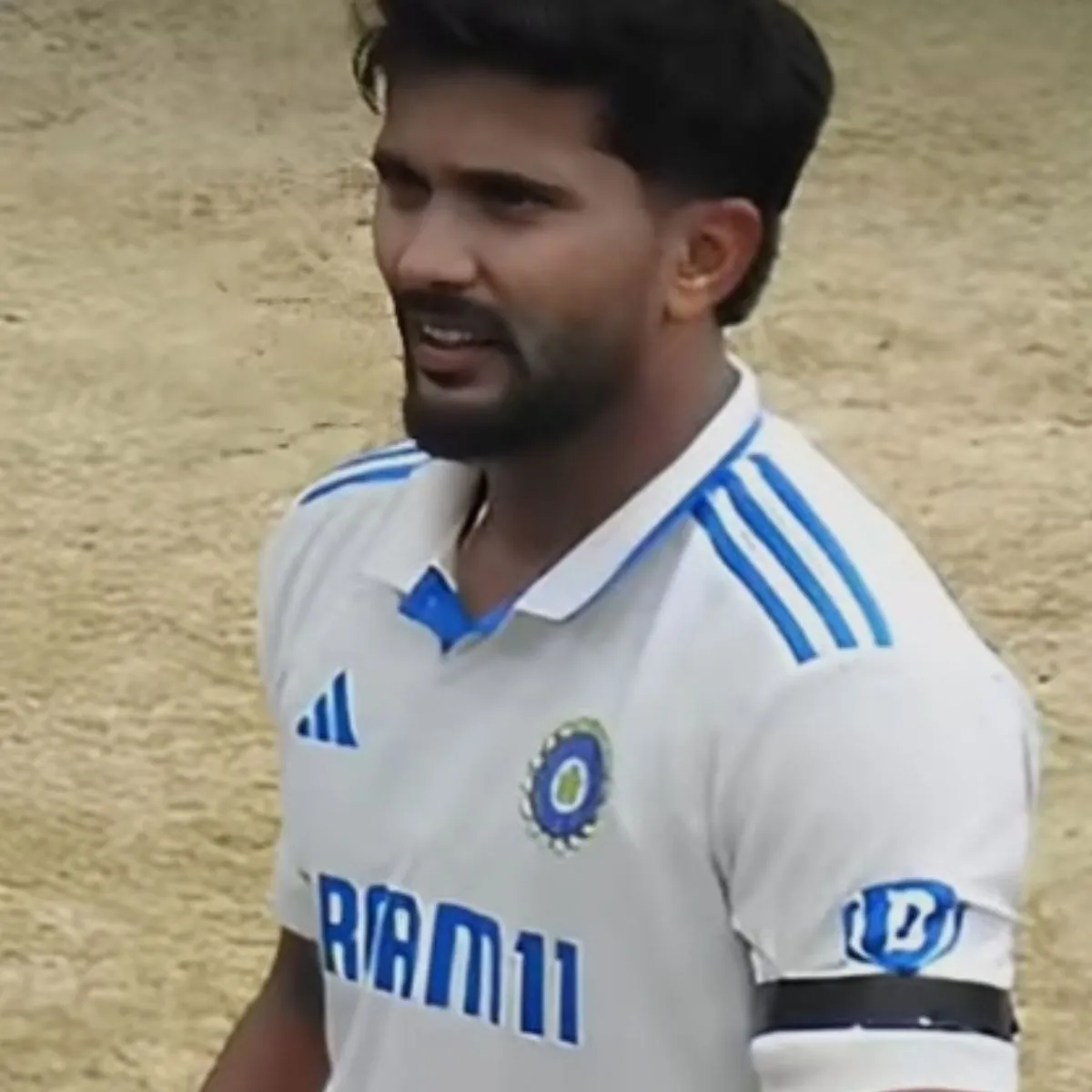
Which bowler, Washington Sundar or Nitish Reddy, is superior for India while bowling first? Sundar, plainly. He is also the superior bowler of the two in most conditions, but when the dew-soaked ball gets exceedingly difficult to grasp for spinners, India would perhaps be tempted to pick Reddy. In the later portion of the chase in the first ODI, Indian’s seamers largely utilized cross-seam balls and such. However, the toss scenario is unpredictable.
At one point, while Marco Jansen was hitting the white ball all around the Ranchi stadium, the ball had to be fetched from outside the boundary. It appeared like a bar of soap when the ball-boy tossed to the nearest fielder, with wetness trickling off like water. The first serious sight of dew came in the 17th over, and from the 25th over on, it fell copiously and India had to scramble around, trying to find a path. In the end, a slice of luck arrived when Jansen blasted a long-hop from Kuldeep Yadav to deep midwicket, and the game turned again.

One ball from the 34th over: There is another thing that is producing troubles. Ranchi was the first ODI in India that included the new ICC rule that stated: “Two new balls will be used for the first 34 overs of an ODI innings, after which the fielding team will choose one of the balls for the remaining overs.”
Jansen actually fell off the first ball of the 34th over, but South Africa’s tail continued to bat without much fuss. With hitters at every level of the game, this squad is well-positioned to take advantage of the one-ball rule more effectively than India, whose three seamers and Kuldeep aren’t renowned for their bat prowess. The one-ball run from the 34th over was done to bring parity between ball and bat, as it can theoretically aid reverse swing, but this series in this section of the country this month isn’t helping that. Ironically, though, that one ball is now working in the batsmen’s favor as the dew continues to accumulate.
Kuldeep discussed the difficulty of bowling with that one extremely wet ball at the conclusion of the first ODI. “It was very challenging, the ball was getting really wet. We kept putting dust and requested the umpire for a replacement, that was the strategy. You can’t rely just on stock balls, even though I bowled a few balls more slowly in the air. You have to switch things up and keep hitters guessing. That was my plan … I was confusing seam up with jumbled seam. Just tried to go back off the length. It was easy to connect off a whole length.”
Raipur Stadium’s enormous expanse may be one trick up its sleeve to aid the struggling bowlers. The boundaries are normally at least 80 metres long here, say the locals, and the batsmen might not be able to hit as many sixes with a dewy-soft ball, in theory.
In the wider scheme of things, this ODI series is perceived differently by the two teams. For India, it has already become an all-consuming issue around Virat Kohli and Rohit Sharma. South Africa see it as an outlet to give chances to kids as they construct their ODI team.
Dew is doing its own thing, India is reuniting with older legends, and South Africa is building with young guys.
1 thought on “IND vs SA, 2nd ODI: Dew Dilemma in Raipur – Will India Pick Washington Sundar or Nitish Reddy?”